
Blog
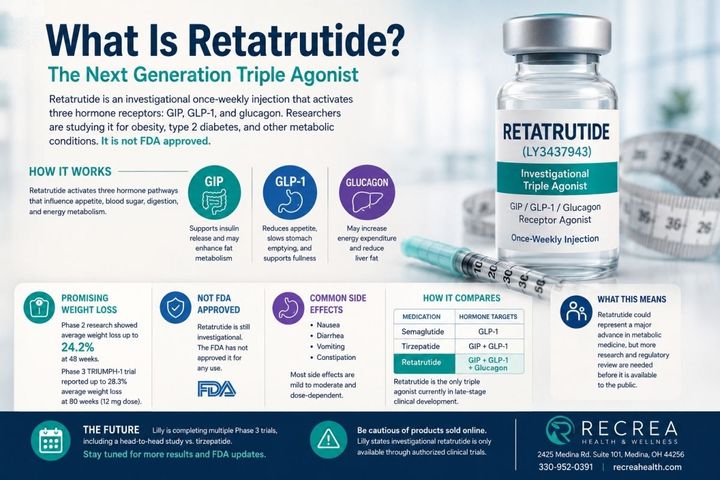
Explore Retatrutide, an investigational triple agonist being studied for obesity and type 2 diabetes, targeting GIP, GLP-1, and glucagon receptors. This comprehensive guide details how it works, compares it to semaglutide and tirzepatide, and outlines research findings and potential side effects. Understand its current status as an unapproved drug, emphasizing ongoing clinical trials and the lack of FDA approval as of July 2026.

A history of thyroid cancer doesn't automatically rule out GLP-1 medications like semaglutide or tirzepatide, but the specific type of thyroid cancer is critical for eligibility. FDA guidelines contraindicate these medications for individuals with a personal or family history of medullary thyroid carcinoma (MTC) or MEN 2. However, common types like papillary or follicular thyroid cancer do not share the same direct contraindication and require a personalized medical review to determine treatment suitability.

GLP-1 medications like semaglutide and tirzepatide impact the gut microbiome by affecting appetite, digestion, and metabolism, leading to observed changes in gut bacteria. While research indicates these treatments can alter microbial composition, scientists are still working to determine if these microbiome shifts directly drive the significant weight loss or metabolic benefits experienced. Further human studies are crucial to fully understand the complex relationship between GLP-1s and gut health.

"Ozempic personality" is a popular, non-medical term describing reported emotional or behavioral changes, such as reduced cravings or motivation, observed by some individuals taking GLP-1 medications like Ozempic, Wegovy, or Zepbound. This phrase is not a medical diagnosis, and current research indicates a complex interplay between GLP-1s, appetite, and brain reward pathways, without proving these medications fundamentally alter personality. Any significant or concerning shifts in mood or behavior should be promptly discussed with a healthcare provider for proper evaluation.